What Not to Store in Cold Big Bear Winters
Big Bear winters are beautiful but harsh. Freezing temperatures, snow, and icy conditions can take a toll on items stored in garages, sheds, or outdoor storage areas. Some items may degrade, lose functionality, or even become hazardous when exposed to prolonged cold. Knowing what to avoid storing in freezing conditions can save homeowners time, money, and safety risks.
Why Cold Weather Storage Can Be Harmful
Freezing temperatures and moisture can cause damage in several ways:
Physical Damage: Water in items can freeze and expand, cracking materials like plastics, ceramics, or glass.
Chemical Changes: Certain chemicals or liquids can separate, crystallize, or become flammable when frozen.
Electrical Damage: Batteries and electronics may fail or leak when exposed to extreme cold.
Structural Damage: Wooden furniture or tools can warp or splinter if moisture is trapped and freezes.
Common Items to Avoid Storing in Big Bear Winters
1. Electronics and Batteries
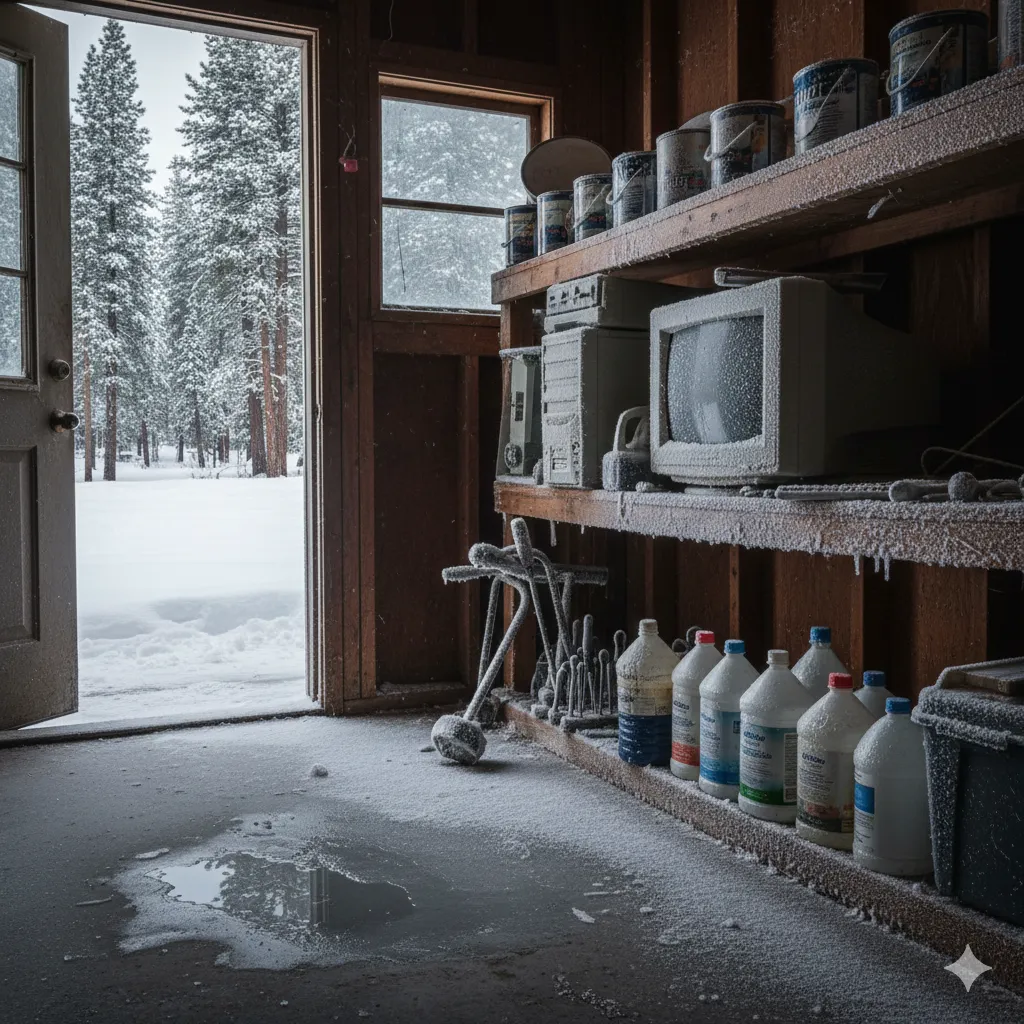
Cold can shorten battery life, cause condensation, and damage delicate circuits. Laptops, cameras, and power tools should be stored in temperature-controlled areas if possible.
2. Liquids and Chemicals
Paint, cleaners, motor oil, and antifreeze can separate or become unstable when frozen. Freezing can also rupture containers, creating spills and hazards.
3. Wooden Furniture
Wood absorbs moisture and can warp or crack when frozen. Upholstered pieces may also develop mildew or mold if condensation forms.
4. Plastic and Rubber Items
Freezing can make plastics brittle and rubber seals or hoses crack. This includes garden hoses, outdoor furniture, and storage bins.
5. Food and Perishable Items
Even if sealed, some food items can degrade or develop freezer burn if exposed to extreme cold for long periods.
6. Firewood Stored Improperly
Firewood stored in damp or unprotected areas may freeze and trap moisture, leading to mold or difficulty burning later.
Tips for Safe Winter Storage
Use Temperature-Controlled Storage: For electronics, chemicals, or delicate furniture, consider heated storage or indoor areas.
Elevate Items Off the Ground: Prevent moisture from seeping into boxes or furniture by using shelves or pallets.
Seal Containers Properly: Use airtight bins to prevent water or snow from entering.
Regularly Check Stored Items: Winter storage isn’t “set it and forget it.” Inspect for leaks, cracks, or moisture accumulation.
Consider Professional Hauling: If you need to remove items that shouldn’t be stored, hauling services in Big Bear can safely dispose of or relocate them.
The Bottom Line
Cold Big Bear winters aren’t just harsh on people—they’re tough on stored items too. Electronics, chemicals, wooden furniture, plastics, and certain liquids can degrade or become hazardous if left in freezing conditions.
By planning ahead and using safe storage practices—or seeking professional help for removal—homeowners can protect their belongings and prevent unnecessary damage.